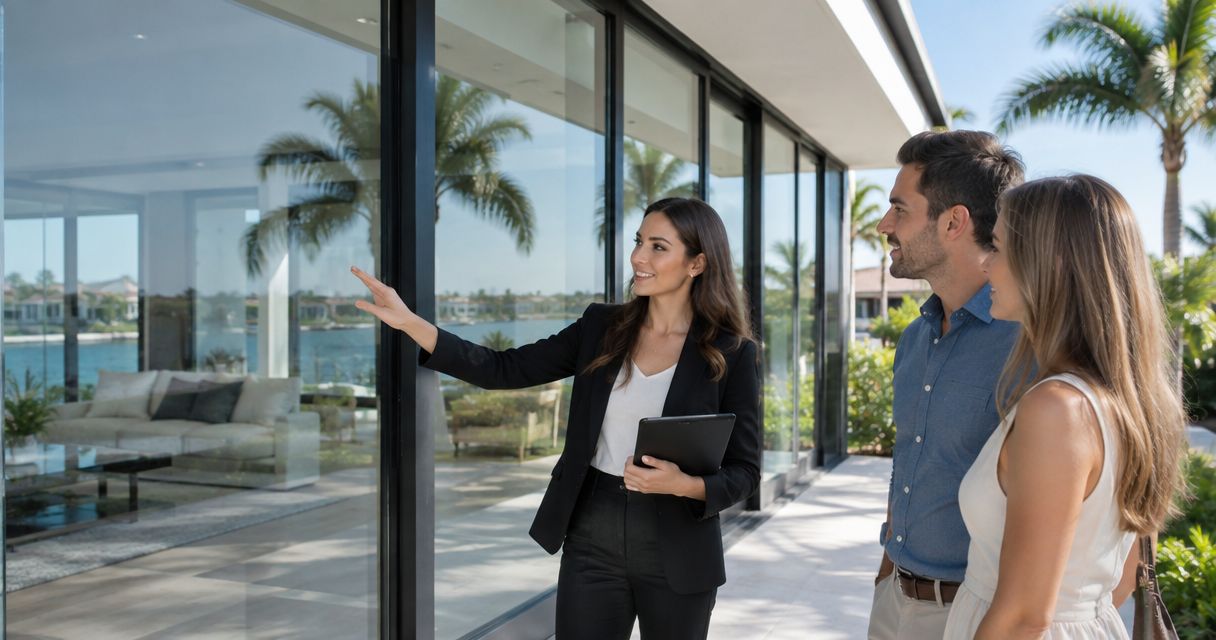
Window tinting for real estate agents in Cape Coral means picking a film shade and grade that holds up to full-time driving in Southwest Florida sun while staying legal for the daily client showings, open houses and cross-town drives that fill an agent's calendar. A real estate agent's car isn't a commuter vehicle parked eight hours a day — it's a mobile office that sits in driveways under full sun, runs the AC hard between appointments, and doubles as the first impression a buyer or seller gets of you.
- Ceramic film beats dyed film for real estate agents because it cuts cabin heat without the purple fade dyed film gets after a year or two in Florida sun.
- Florida law caps front side windows at 28% VLT — darker looks sharper but risks a stop during a client showing.
- Window tinting for real estate agents pays off fastest on lease vehicles, where UV fade on the dash and seats hits resale and turn-in value directly.
- Auto Sound Cape Coral installs ceramic and ceramic-hybrid film sized for agents who need the car back on the road the same week, not the same month.
Why window tinting matters for real estate agents
Agents spend more daylight hours behind the wheel than almost any other local profession — driving to listings, sitting curbside waiting on a seller, running comps between showings with the engine idling. That's hours of direct UV and heat exposure the average commuter never sees.
A client sliding into a hot, glare-filled back seat after a 20-minute showing notices. So does a buyer squinting at your dash during a drive-by. Window tinting for real estate agents isn't cosmetic — it's a working tool for keeping the car comfortable and the interior presentable on a vehicle that's basically a rolling office.
The other piece: a lot of agents drive leased SUVs or financed vehicles specifically because they're client-facing. UV damage to leather and dash trim shows up in turn-in inspections and trade-in appraisals faster in Fort Myers and Cape Coral than it does in cooler markets, because the sun exposure here is higher and more consistent through the year.
Update your understanding of Florida's tint law first
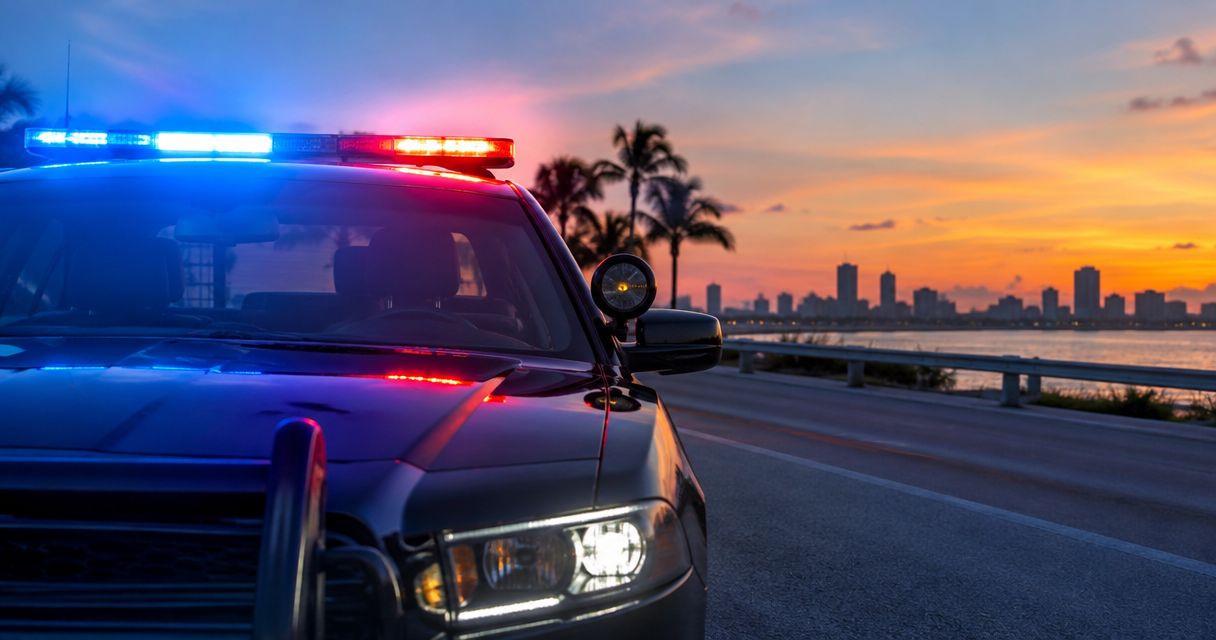
Before choosing a shade, know what's legal. Florida's statute sets specific visible light transmission (VLT) limits by window position, and a tint job that looks great in the shop can get you pulled over mid-showing.
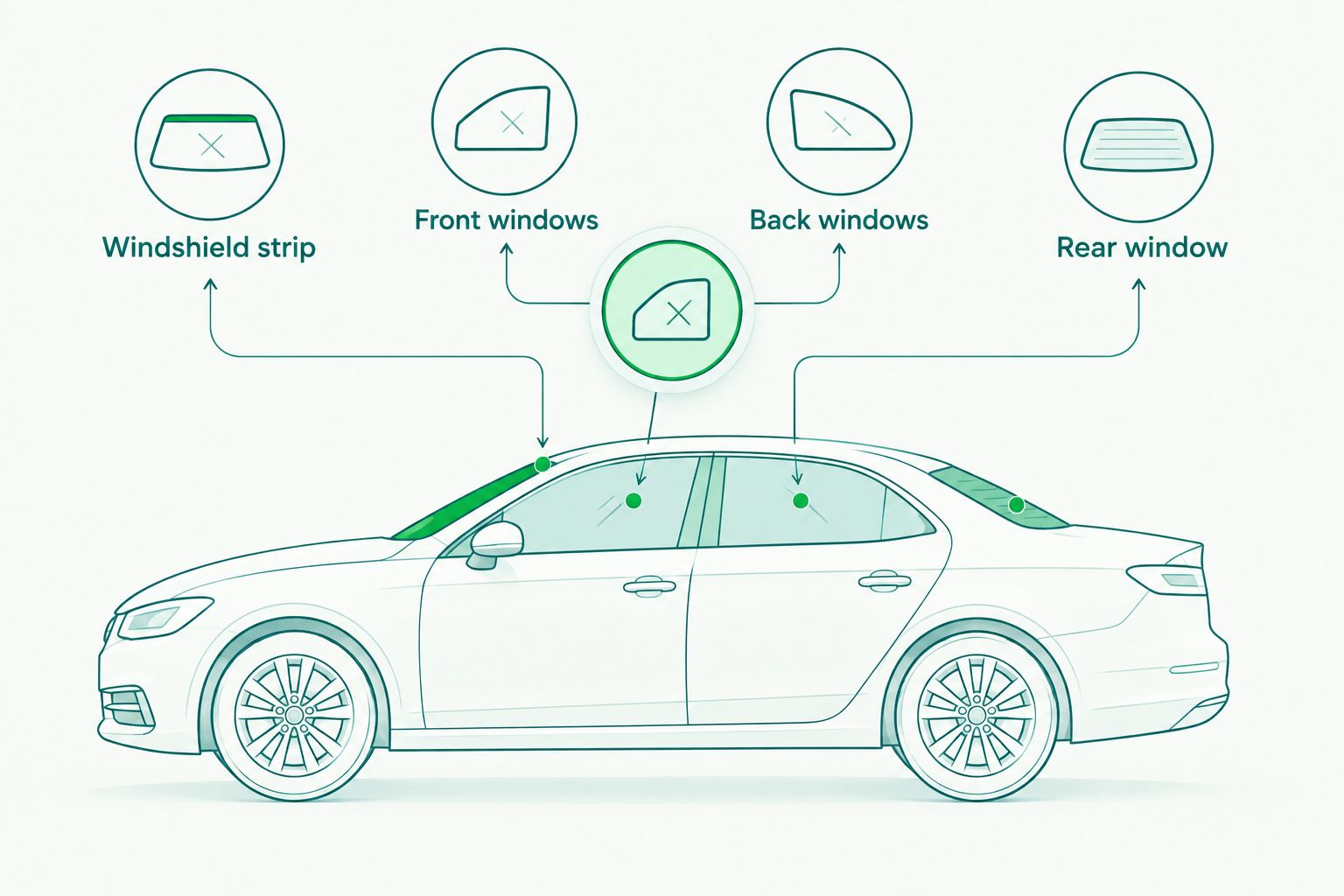
- Front side windows: minimum 28% VLT allowed
- Back side windows and rear window: any darkness is legal
- Windshield: a non-reflective tint strip is allowed along the top, per manufacturer's AS-1 line
- Reflectivity: front side windows can't exceed 25% reflection
- Medical exemptions exist but require documentation carried in the vehicle
Choose ceramic film over dyed film for client-facing use
Dyed film costs less upfront but fades toward purple or gray within a year or two of Southwest Florida sun, and it doesn't cut heat the way ceramic does. For a car clients ride in regularly, that matters.
- Ceramic film blocks a meaningfully higher share of infrared heat than dyed or standard carbon film
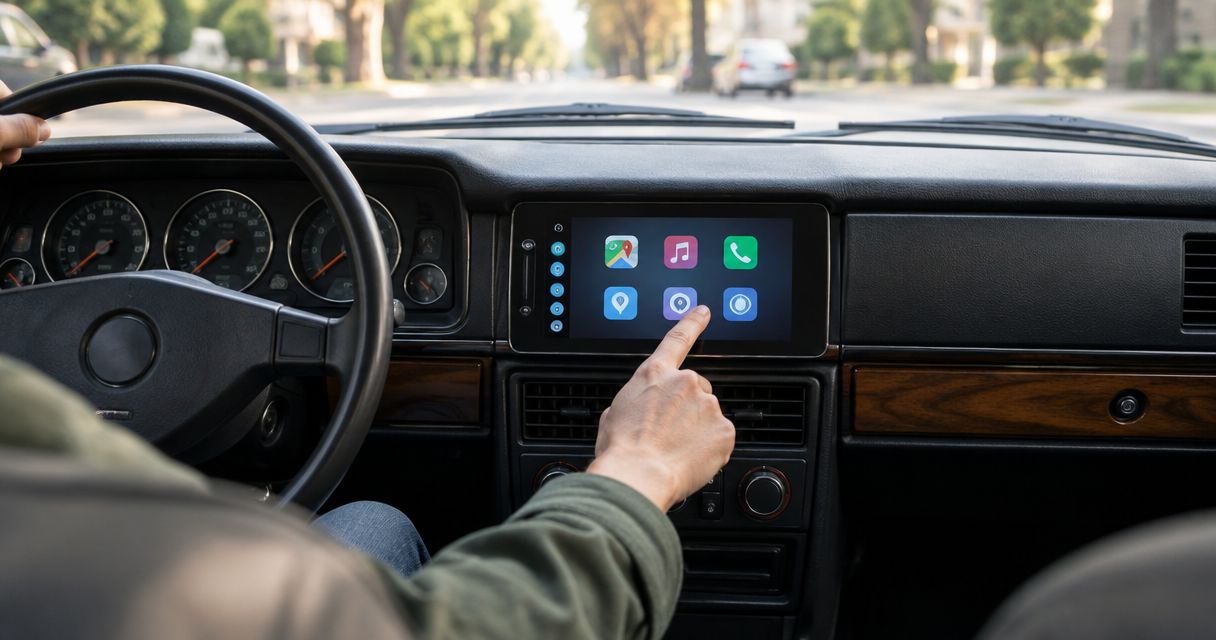
- It won't interfere with GPS, cell signal, or toll transponders — dyed metallic film sometimes does
- Ceramic holds its color and clarity for the life of most ownership periods instead of shifting purple
- Glare reduction is sharper with ceramic, which matters for evening showings driving into low sun
- It costs more than dyed film, which is the real tradeoff agents weigh against the upgrade
Match tint shade to how you actually use the car
An agent who drives clients around daily has different needs than one who mostly shows properties solo and meets buyers at the listing.
- If you regularly drive clients in the back seat, a darker legal shade on rear windows adds privacy without touching the front VLT limit
- If most of your day is solo driving between listings, prioritize heat rejection over darkness
- If you do a lot of evening showings, the windshield strip and front tint combo cuts glare on the drive home
- If you drive a leased vehicle, stick to film your lease terms and local law both allow — check the lease agreement, not just the statute
Book the install around your slowest showing window
Tint needs curing time before you roll the windows down, so timing the appointment matters more for agents than for most drivers.
- Pick a stretch of your week with fewer scheduled showings, not a day you need the car back within the hour
- Ask the shop directly about turnaround before booking so it fits your calendar, not the other way around
- Avoid scheduling an install the same day as an open house that needs the vehicle parked outside all afternoon
- Confirm whether you need to keep windows up for a set period after the install before committing to a same-day round of showings
Get your tint quote today
Ceramic and dyed film options, sized around your showing schedule.
Protect resale and lease-turn value on your business vehicle
A car you drive for work all day, every day, ages faster inside than a weekend vehicle. Tint slows that.
- Reduces UV fade on leather seats and dash trim, which lease-turn inspections and trade-in appraisals both flag
- Keeps cabin temperatures lower, which reduces how hard the AC compressor works over years of daily short trips
- Slows cracking and stiffening in dash plastic and door panels from repeated heat cycling
- Preserves the factory look of the interior longer, which matters if the vehicle is financed and you plan to trade it in
Set the car up for client comfort, not just tint
Tint is one piece of a client-facing vehicle. Pair it with a few other basics and the whole experience improves.
- Keep a sunshade for the windshield during long waits outside a listing
- Run the AC on recirculate for the first minute after starting a hot car, then switch to fresh air
- Check that rear window tint doesn't interfere with backup camera visibility if your SUV has one
- Wipe down interior surfaces before client pickups — heat plus dust shows more in a tinted cabin's softer light
Maintain the film for the life of the lease or loan
Film lasts if you treat it right; it bubbles and peels if you don't.
- Skip ammonia-based glass cleaners — they break down tint adhesive over time
- Use a microfiber cloth and a tint-safe cleaner instead
- Wait the full cure period before rolling windows down, even if you're in a rush between showings
- Watch for bubbling near the edges, which usually means a resealing visit is due
Comparison: tint options for real estate agents
| Option | Best for | Key limitation |
|---|---|---|
| Dyed film | Agents on a tight budget who replace vehicles often | Fades toward purple within a couple years in Florida sun |
| Carbon film | Agents who want better heat rejection than dyed without the ceramic step up | Less heat rejection than ceramic, more than dyed |
| Ceramic film | Agents who drive clients daily and keep the vehicle long-term | Higher upfront investment than dyed or carbon |
| National chain install | Agents who want the fastest available appointment | Less consistency on film brand and warranty terms shop to shop |
| Local independent shop (Auto Sound Cape Coral) | Agents who want a fixed installer relationship and straight answers on legal limits | Fewer locations than a multi-state chain |
Verdict: ceramic film installed by a shop that knows Florida's VLT limits is the right call for any agent who drives clients regularly — it holds up longer and keeps you legal without guesswork.
Common mistakes real estate agents make with window tinting
- Going as dark as legally possible on front windows just because it looks sharp, then getting pulled over during a client showing — the stop costs more time and credibility than a lighter legal shade ever would.
- Choosing dyed film to save money upfront, then dealing with purple fade in year two, right when the car is client-facing every single day.
- Skipping the windshield strip even though most glare on coastal drives to waterfront listings comes through the top of the glass, not the side windows.
- Booking a walk-in tint job without asking about film brand or warranty terms, then finding out later there's no coverage if it bubbles.
- Ignoring the lease agreement's own tint restrictions, assuming state law is the only rule that applies.
FAQ
Is window tinting for real estate agents legal in Florida?
Yes, as long as front side windows stay at or above 28% VLT and reflectivity stays under 25% on front windows. Back and rear windows can go as dark as you want under Florida law.
What's the best window tint shade for a car used for client showings?
Ceramic film at the legal front-window limit paired with a darker legal shade on rear windows works best for most agents — it keeps the front compliant and gives back-seat clients privacy and heat relief.
Does ceramic tint interfere with GPS or phone signal in the car?
No. Ceramic film doesn't use metallic particles the way some older dyed and hybrid films do, so it doesn't disrupt GPS, cell signal, or toll transponders.
How long does window tint last on a car driven daily for showings?
Ceramic film holds its color and clarity for the length of most ownership or lease periods. Dyed film typically starts fading toward purple within a couple of years under constant Florida sun.
Can I tint a leased vehicle used for real estate work?
Usually yes, but check the lease agreement first — some leases restrict tint darkness or require removal before turn-in regardless of what state law allows.
Does window tint actually reduce interior heat in a Florida car?
Ceramic tint blocks a significant share of infrared heat that would otherwise pass through untinted glass, which keeps cabin temperatures lower and reduces how hard the AC has to work.
Should I tint the windshield on a car I use for showings?
A legal non-reflective strip along the top of the windshield is allowed and helps with glare on evening drives, but the rest of the windshield can't be tinted under Florida law.
How much does window tinting cost for a real estate agent's SUV or sedan?
Cost varies by vehicle size, glass count, and film grade — check current pricing directly with a local installer since it depends on your specific vehicle.
One last thing
The detail most agents miss: it's not just the front windows that get you pulled over — a rear window tinted so dark it blocks a backup camera's view can cause its own problem on a driveway full of parked cars at an open house. Check camera visibility after the install, not after the first fender-bender.