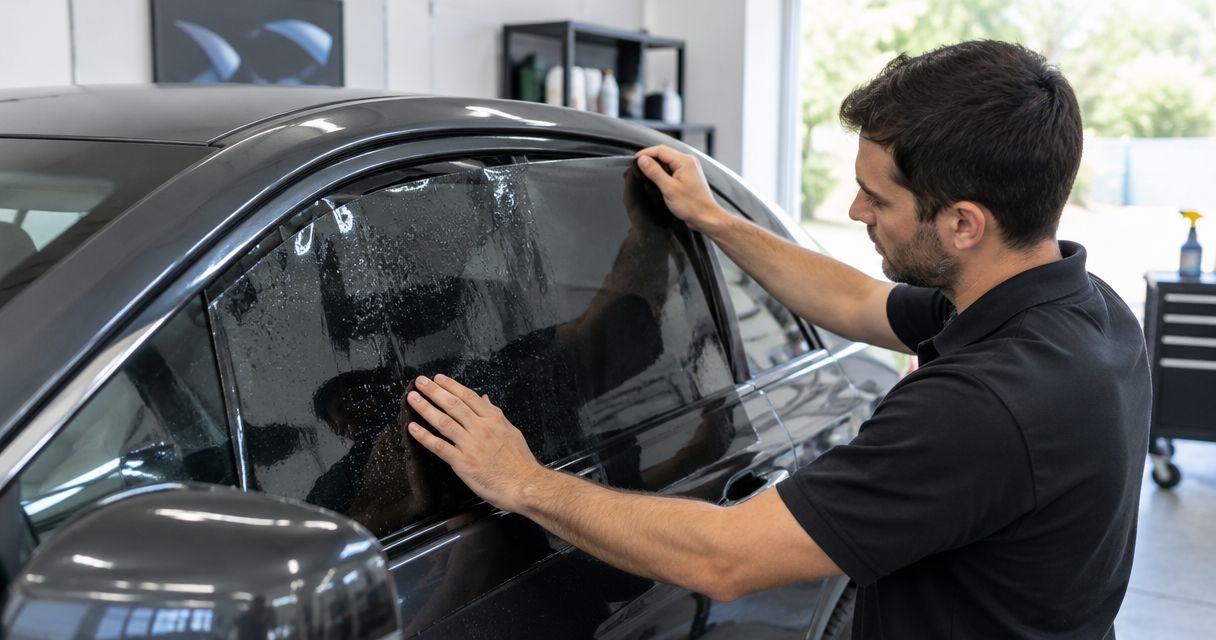
Window tint takes days to weeks to fully cure; the exact wait depends on the film, weather, and installation conditions. That is separate from the waiting period before you can lower the windows: follow your installer’s instructions for window operation and cleaning, even when the glass already looks clear.
- How long does window tint take to cure? Allow days to weeks; follow the film-specific aftercare instructions.
- Clear-looking tint is not proof that the adhesive has finished curing.
- Leave moisture pockets alone; report lifting edges, creases, and worsening visibility to your installer.
- Auto Sound Cape Coral provides local window tint installation for Cape Coral and Fort Myers vehicle owners.
Why this matters
Installation finished does not mean curing finished. Your car can leave the shop while moisture remains between the film and glass. Some temporary haze or small water pockets can be part of that drying process, rather than proof of a bad installation.
The practical issue is what you do next. Lowering a window before the installer’s hold period ends can disturb fresh film at the edges. Pressing a pocket or scraping a mark can turn something that needed time into something that needs repair.
For your 2026 tint appointment, separate the shop’s installation time from the aftercare period. The guide to how long window tinting takes to install covers the appointment itself. Curing continues afterward, so arrange your daily driving around the instructions you receive at pickup.
How long does it take for window tint to cure?
Window tint cures over days to weeks as installation moisture leaves and the adhesive settles against the glass. Warm conditions generally help drying; cooler or damp conditions slow it. Your film’s care instructions are more useful than a universal countdown.
There are separate milestones to watch. A window can look clearer before it is ready for normal handling, and permission to lower it does not necessarily mean every trace of moisture has disappeared.
| Milestone | What it means | What you should do |
|---|---|---|
| Installation complete | The film has been fitted and applied | Get the window-operation and cleaning instructions |
| Initial drying | Temporary haze or water pockets can remain | Leave the film alone and watch for improvement |
| Window use permitted | The installer’s hold period has ended | Resume use as instructed; report catching or lifting |
| Curing complete | The film has finished its prescribed drying period | Follow the ongoing cleaning instructions |
Use this distinction when scheduling tint in 2026. Ask when you can operate the windows, when you can clean the inside glass, and when the installer wants to inspect a mark that has not cleared. Those are different questions, not interchangeable deadlines.
Initial drying: leave the film alone
Fresh tint can look slightly cloudy because moisture remains beneath it. Small, irregular water pockets can also be visible after installation. Their presence alone does not establish that the film needs replacement.
Look for the direction of change instead of judging a single moment. Moisture-related haze should improve as drying progresses. A mark that stays sharply defined, an edge that lifts, or a crease deserves a different response: contact the installer rather than pressing on it.
You do not need to inspect the windows constantly. Check them in ordinary daylight without touching the film, and keep a photo if you are concerned about a particular area. That gives the installer something useful to compare later.
Do not pop, squeeze, or scrape a pocket. You cannot repair a film defect by pushing at it from inside the car. Leave diagnosis and any correction to the installer.
Window-operation clearance: follow the pickup instructions
The waiting period before lowering a tinted window protects film that has not yet settled. The top edge passes through the window seal during operation, so it needs to remain undisturbed during the initial hold period.
Ask for the instruction in a form you can keep. A written note is easier to follow than remembering a quick conversation while collecting your keys. Make sure every driver knows the restriction, including anyone borrowing the vehicle.
Consider how you use the car. Drive-throughs, parking gates, and delivery handoffs often involve lowering a window without thinking. Use another safe way to complete those tasks until the hold period ends.
Vehicles with automatic glass movement need a specific conversation. Tell the installer if opening a door makes the window drop slightly. Do not assume the usual instruction accounts for your vehicle’s automatic window behavior.
Full curing: clarity is not the only checkpoint
A clear window is encouraging, but appearance alone does not establish that the prescribed cure period has ended. Follow the film-specific instructions even if the tint looks finished early.
Once normal window operation is permitted, notice whether the film catches at a seal or an edge begins to lift. Stop repeatedly operating a window that appears to be disturbing the film, and contact the installer. Repeated testing is not a useful repair method.
The opposite situation also matters. A lingering mark does not automatically mean you need to wait longer. If the installer’s expected drying period has passed, ask for an inspection rather than extending the deadline yourself.
Describe the location and appearance of the problem. A cloudy patch across the glass, a hard speck, and a peeling corner are different symptoms. Accurate descriptions help the shop decide what needs checking.
Why window tint curing time varies
Film construction and drying conditions explain why another driver’s timeline is not a reliable deadline for your car. Use these factors when discussing aftercare:
- Film construction: Different films have different manufacturer instructions. Do not assign a drying schedule based only on the word ceramic, dyed, or carbon.
- Temperature: Warmer glass generally helps moisture leave; cooler conditions slow the drying process.
- Humidity: Damp conditions can slow drying. Warm outdoor air does not automatically mean the film will finish quickly.
- Sun exposure: A vehicle’s exposure to sunlight changes the temperature of the glass during the day.
- Remaining moisture: The installation process uses liquid, and moisture left beneath the film needs time to leave.
For Cape Coral and Fort Myers appointments in 2026, tell the installer whether your vehicle usually sits outside or in a covered garage. That gives useful context for the care discussion. It does not replace the instructions for the actual film installed.
Your 2026 window tint aftercare checklist
Keep aftercare simple. Protect the film from handling, follow the window-use restriction, and ask the installer about anything that does not improve.
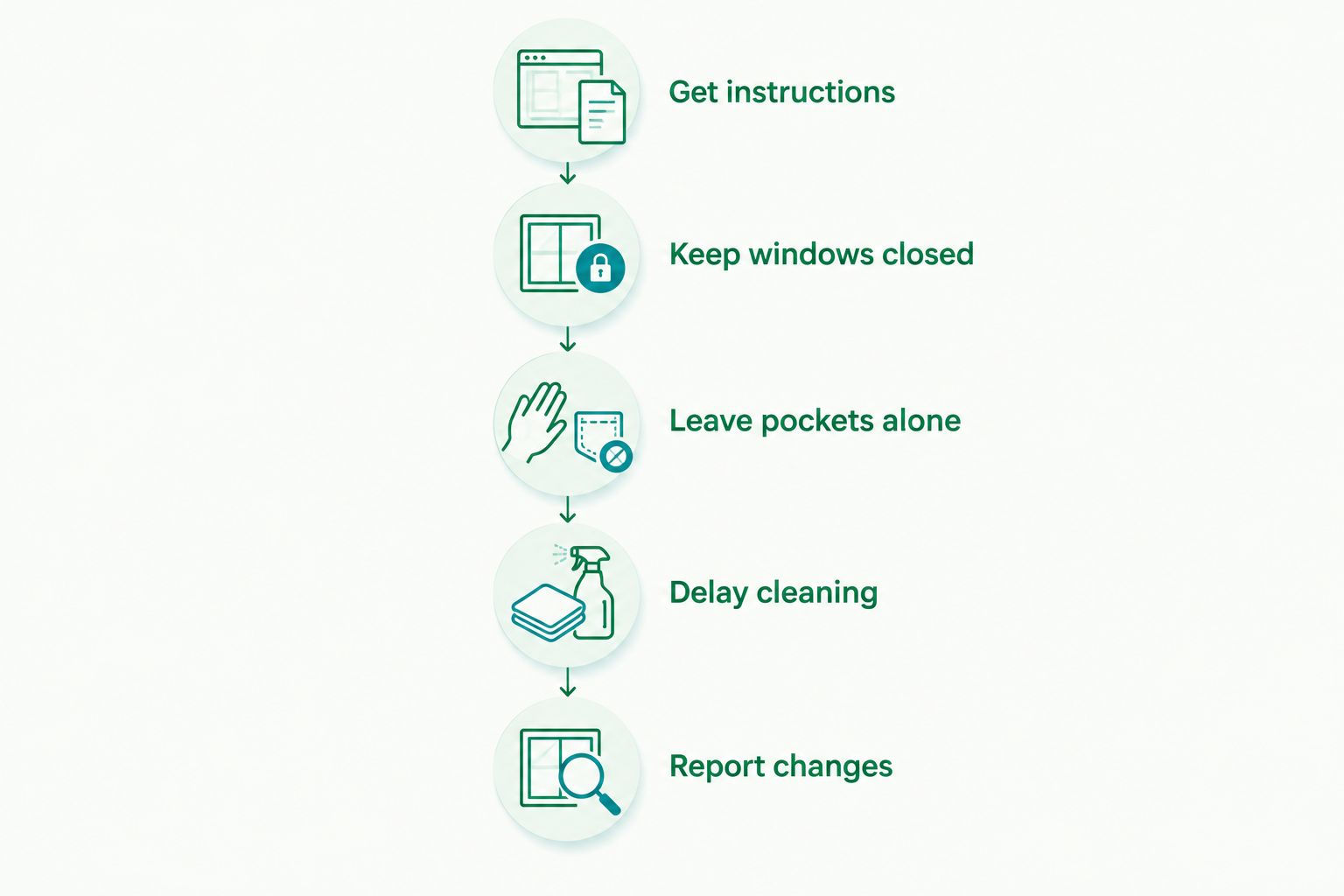
- Get instructions. Confirm the restrictions for lowering windows, cleaning the inside glass, and using any vehicle features that affect the film.
- Keep windows closed. Follow the stated hold period. Tell other drivers before they use the car.
- Leave pockets alone. Do not press, puncture, or rub areas that appear to contain moisture.
- Delay cleaning. Wait until cleaning is permitted, then use the products and materials recommended for the film.
- Report changes. Contact the installer about peeling, creasing, persistent marks, or visibility concerns.
Avoid home drying shortcuts. A heat gun, hair dryer, or added pressure is not part of routine owner aftercare. These methods introduce concentrated heat or force where the film needs to remain undisturbed.
Normal parking conditions are different from deliberately heating a patch of film. If you want to change where you park to help drying, ask the installer first. The goal is to follow the film’s care guidance, not to force a faster result.
Can I drive immediately after getting window tint?
Driving and lowering the windows are separate issues. Follow the shop’s pickup instructions, and do not drive if haze or another condition interferes with a clear view.
Inspect the glass from the driver’s seat before leaving. Check the areas you use to see traffic, mirrors, and pedestrians. A question about safe visibility needs an answer before you enter the road, not after you reach home.
Once the vehicle is cleared for use, keep the window restrictions in place. Being able to drive does not authorize cleaning the film or cycling the windows. Use the installer’s instructions for each action.
Does ceramic window tint cure faster?
The word ceramic does not establish a faster curing time. The film’s construction, manufacturer instructions, and drying conditions determine the care schedule.
Choose a film based on its documented performance and suitability for your vehicle, not a promise that the label alone means a shorter wait. Then get the aftercare instructions for that exact installation.
If you are comparing films, ask the installer the same question for each: what restrictions apply after installation? That produces a useful answer without assuming that every film in a broad category behaves identically.
Can I wash my car while the tint is curing?
Exterior washing and cleaning the tinted side of the glass are different tasks. Automotive tint is normally installed on the inside surface, so follow the installer’s separate guidance for exterior washing and interior cleaning.
Do not treat permission to wash the outside as permission to scrub the inside. Fresh film needs protection from rubbing, tools, and cleaning products that are not approved for it.
Tell a detailer that the tint is new. Make the restriction explicit before handing over the car, particularly if the service includes interior glass cleaning. That avoids an unnecessary conflict between tint aftercare and the detailing checklist.
Which marks need an installer’s attention?
A lifting edge needs inspection, not extra pressure from your fingers. Temporary moisture and physical damage can look different, but a photograph cannot always establish the cause. Let the installer make that call.
| What you notice | What it can indicate | Best next action |
|---|---|---|
| Light haze that gradually clears | Remaining installation moisture | Continue the prescribed aftercare |
| Small water pockets that diminish | Moisture still drying beneath the film | Leave them untouched |
| A hard, fixed speck | Possible trapped contamination | Ask the installer to inspect it |
| A sharp crease | Film deformation | Contact the installer |
| An edge pulling away | Adhesion or handling problem | Stop disturbing it and arrange inspection |
| Distorted or obstructed visibility | A condition that needs assessment | Get advice before driving |
Take photos without pressing against the glass. Include a wider view showing which window is affected, then a closer view of the mark. Explain whether it is improving, unchanged, or getting worse.
Do not wait for the full curing period if the problem affects safe driving. Conversely, do not attempt a repair because a harmless-looking moisture pocket is annoying. The right response depends on the symptom.
What to ask a local tint installer before pickup
Auto Sound Cape Coral fits Cape Coral and Fort Myers drivers seeking local window tint installation. The practical advantage of choosing a local installer is having a place to discuss aftercare and bring the vehicle for an assessment; the limitation is that installation does not eliminate the curing wait.
Before your 2026 appointment, ask which film will be installed and request its care instructions. At pickup, confirm the window hold period, cleaning restrictions, and the appropriate response to persistent haze or lifting edges.
You can start with Auto Sound Cape Coral to discuss window tint installation. Describe your vehicle and how you use it, especially automatic window movement or work that requires frequent window operation. Get instructions that match the installation rather than relying on another vehicle owner’s experience.
FAQ
How long does window tint take to cure completely?
Window tint takes days to weeks to fully cure, depending on the film and drying conditions. Follow the installer’s film-specific instructions rather than using appearance alone to decide it is finished.
Can I roll my windows down when the tint looks clear?
Clear-looking tint does not mean you can lower the windows yet. Keep them closed for the hold period your installer specifies, even if haze disappears earlier.
Are small bubbles normal after window tint installation?
Small moisture pockets can occur during initial drying. Do not press or puncture them; ask the installer about persistent pockets, sharply defined marks, or lifting edges.
Does Florida sunshine make window tint cure immediately?
Florida sunshine does not make window tint cure immediately. Warmth can help drying, but humidity, film construction, and remaining moisture still affect the process.
Can I use a hair dryer to dry window tint faster?
Do not use a hair dryer to speed up window tint curing. Follow the prescribed aftercare and contact the installer instead of applying concentrated heat.
Should I clean the inside of freshly tinted windows?
Wait until your installer permits interior glass cleaning. Then use the cleaner and cleaning materials recommended for the installed film.
When should I call the tint shop about a problem?
Contact the tint shop about lifting edges, creases, fixed marks, or visibility problems. Do not wait through the curing period when a condition affects safe driving.
Does Auto Sound Cape Coral install window tint?
Auto Sound Cape Coral provides window tint installation for vehicle owners in Cape Coral, Fort Myers, and surrounding Southwest Florida communities. Ask for the aftercare instructions that apply to your vehicle and film.
One last thing
Check whether your vehicle moves its own glass. A door-triggered window drop is easy to overlook when someone tells you to keep the windows closed. Tell the installer about that feature before the film goes on, not after an edge starts catching.
For a 2026 tint appointment, your most useful takeaway is a clear set of instructions: when window operation is permitted, when cleaning is permitted, and what symptoms require a call. Protect the fresh film first; judge the finished result after the prescribed drying period.