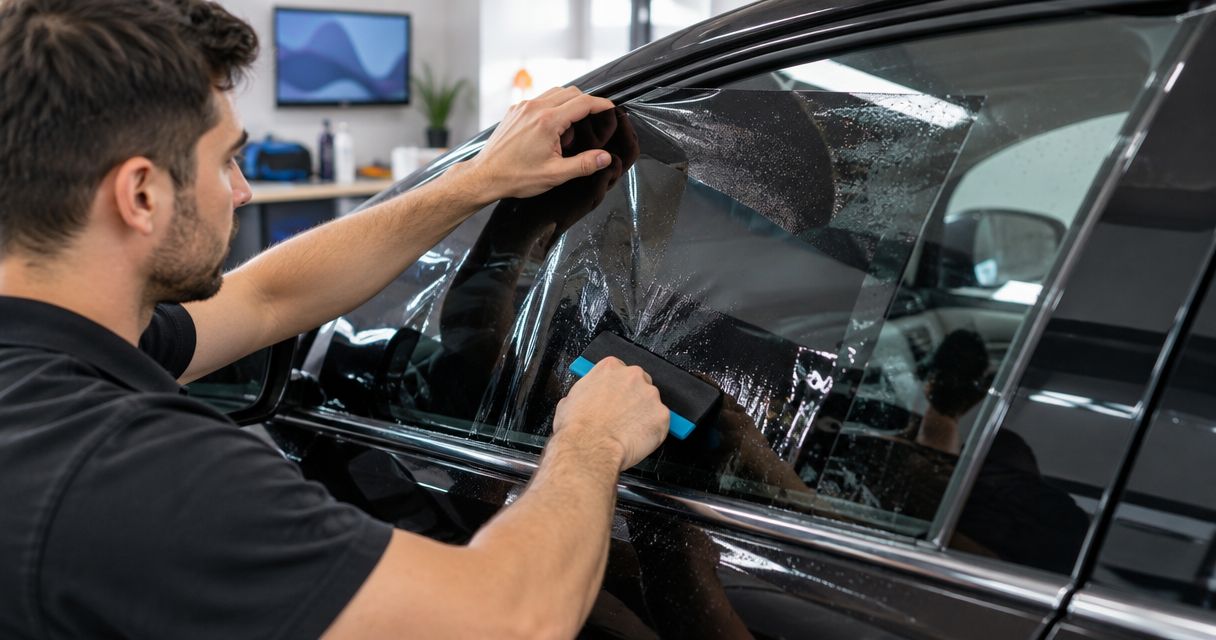
Yes, old window tint can be removed and replaced by taking off the film, removing its adhesive, and preparing the glass for new tint. The main caution is the rear window: removal needs extra care around defroster lines and glass-mounted antennas, and factory-colored glass cannot be peeled off like aftermarket film.
- Can window tint be removed and replaced? Yes—remove the old film and adhesive before installing new film.
- Rear-window tint removal needs extra care around defroster lines and glass-mounted antennas.
- Auto Sound Cape Coral provides window tinting for vehicle owners in Cape Coral and Fort Myers.
- Replace bubbling or peeling film rather than covering it with another layer.
Can old window tint be removed and replaced?
Yes. Aftermarket window film is replaceable; color built into the glass is not removable film. A tint replacement job involves more than peeling away the visible layer. The installer also needs to clear the adhesive and check the glass before applying the replacement.
Your next move depends on the condition of the existing tint. Failed film needs removal, but intact film does not need replacement simply because it is old. If you are reconsidering tint for a Florida vehicle in 2026, start with how you use the car—not just how dark you want it. The guide to whether window tinting is worth it in Florida covers that broader decision.
| Option | Best for | Main benefit | Main drawback |
|---|---|---|---|
| Remove and replace | Drivers with peeling, bubbling, discolored, or unsuitable film | Gives new film a properly prepared surface | Adds removal and adhesive-cleanup work |
| Keep intact tint | Drivers whose existing film remains clear, secure, and suitable | Avoids unnecessary work on otherwise sound film | Keeps the existing shade and performance |
| Remove without replacing | Drivers who want clear glass or need to resolve unsuitable aftermarket tint | Eliminates the old film | Removes the benefits that film provided; factory glass color remains |
Putting another layer over failed film is not a repair. The underlying bubbles, loose edges, and adhesive problems remain beneath the new layer.
Why this matters
A tint replacement should solve the problem you actually have. Peeling edges call for a different conversation than clear film that simply looks too dark at night. Describe the symptom before choosing the replacement shade.
For a 2026 appointment, tell the shop whether the problem affects one door window, the rear glass, or the entire vehicle. Mention any existing defroster trouble before work starts. That gives the installer a clear starting point instead of leaving old damage to be discovered during removal.
Auto Sound Cape Coral is best for Cape Coral and Fort Myers vehicle owners seeking local window tinting installation. When you contact Auto Sound Cape Coral, explain that your vehicle already has film and ask about removal before booking a new installation. A window tinting service description alone does not establish the condition or removal requirements of your particular car.
How does old tint get removed and replaced?
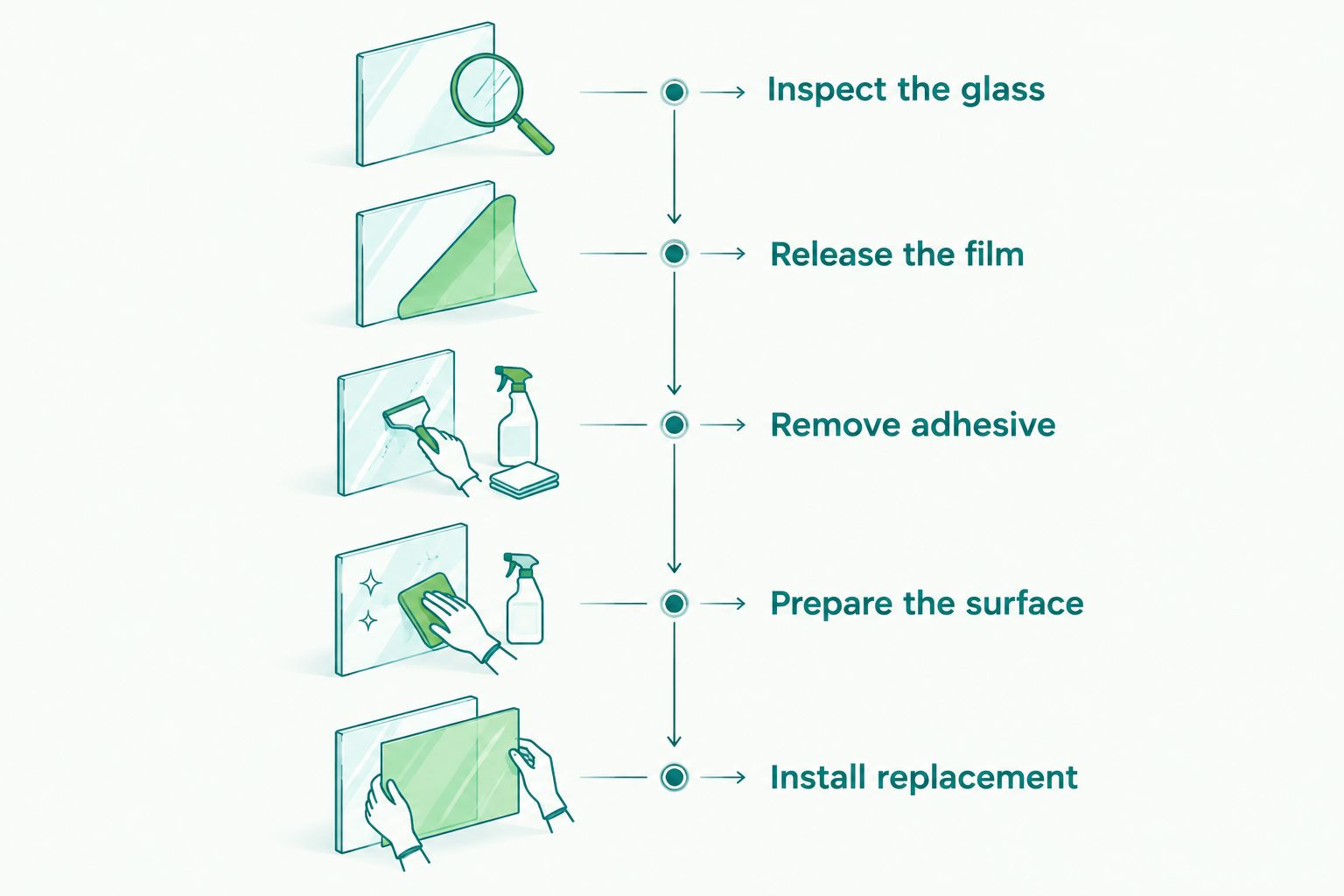
The job follows a basic sequence: inspect the glass, release the film, remove the adhesive, prepare the surface, and install the replacement. The removal method depends on the film and what is attached to the glass. Treat the rear window differently from a plain door window.
- Inspect the glass. Identify aftermarket film, factory-colored glass, damaged edges, defroster lines, antennas, and any existing scratches. Check the rear defroster before removal if you already suspect a fault.
- Release the film. Controlled heat or steam helps soften the adhesive so the film can lift. Brittle film can tear rather than come away as a complete sheet, which makes removal more involved.
- Remove adhesive. Clear the residue with products and tools appropriate for the glass and nearby materials. Removing the film alone does not leave a surface ready for replacement.
- Prepare the surface. Clean the glass and inspect it for remaining residue or damage. Protect nearby trim, upholstery, and electronics from cleaning liquid.
- Install replacement. Apply the chosen film to the prepared glass, finish the edges, and follow the installer's care instructions. New film needs time to dry and bond after installation.
The key checkpoint is the clean glass underneath. If adhesive remains, stop and finish the preparation rather than treating the new film as a cover-up. A clean-looking film surface cannot compensate for residue trapped beneath it.
Before leaving the shop, ask which temporary drying effects are expected and which symptoms warrant a return visit. Get the window-use and cleaning instructions for the film actually installed. Do not substitute a generic internet timetable for those instructions.
Can rear-window tint be replaced without damaging the defroster?
Rear-window tint can be replaced, but defroster protection is a central part of the job. The heating lines sit on the glass surface, so aggressive scraping or careless pulling risks damaging them. Glass-mounted antennas also need attention.
Do not treat a heated rear window like plain glass. Avoid metal-blade scraping across exposed defroster lines. A removal method appropriate for an unheated side window is not automatically appropriate for the rear glass.
Tell the installer if any sections of the defroster already fail to clear the window. If the vehicle has damaged lines before removal, replacing the tint does not repair that electrical fault. Discuss the condition and removal risk before authorizing work, rather than assuming new film will fix everything on the glass.
For your 2026 replacement plan, separate two decisions: whether the film needs replacing and whether existing rear-window damage needs repair. They are different jobs. Ask how the shop handles that distinction.
Why tint removal and replacement varies
Removal difficulty depends on the existing installation, not just the vehicle's size. Two similar cars can need different preparation because their film, adhesive, and glass features differ.
- Film condition: Brittle or separating film breaks apart during removal instead of lifting cleanly.
- Adhesive residue: Sticky residue needs cleanup before new film can bond to the glass.
- Existing layers: Film installed over another film layer adds material that must be assessed and removed.
- Glass features: Defroster lines and antennas restrict the tools and techniques suitable for removal.
- Access: Tight rear-glass access and nearby trim affect how the installer reaches and protects the work area.
- Scope: Replacing a damaged door-window film is a different task from stripping and retinting the whole vehicle.
Send photos of the affected windows when discussing the job. Include a close view of peeling or bubbles and a wider view showing which glass is involved. Photos help explain the problem, but they do not replace an inspection of the adhesive and glass.
Should you replace one window or all the tint?
Replace only the affected film when the remaining installation is sound and you accept the appearance match. A localized scratch or peeling door-window edge does not automatically mean every window needs new tint. Inspect the rest before deciding.
Matching is the trade-off. The old film's color, age, and appearance can make an exact visual match difficult, even when the replacement has a similar darkness rating. Ask to see the proposed film against the remaining windows rather than choosing by a shade name alone.
A full replacement makes more sense when deterioration affects several windows or when you want to change the entire setup. It also means more removal work. Base the decision on condition and your goals—not an assumption that all old film is bad.
How dark can replacement tint be in Florida?
For your 2026 tint choice, check Florida's window-specific rules before choosing a shade. Florida Statutes sections 316.2953 and 316.2954 specify at least 28% light transmission for front side windows and at least 15% light transmission for windows behind the driver on passenger cars. Certain vehicle categories, including multipurpose passenger vehicles, have a 6% rear-window light-transmission minimum under section 316.2954.
Those figures are not a universal shade recommendation. Vehicle classification, windshield rules, reflectivity limits, and applicable exemptions also matter. Have the installer confirm which requirements apply to your vehicle and windows.
Visible light transmission describes the light passing through the window. A lower percentage means a darker result. Existing factory-colored glass also affects the finished glass-and-film combination, so the film's label alone does not establish the final reading.
Choose compliance and visibility together. Consider backing out at night, checking mirrors, and driving in heavy rain—not just the view of the parked car. Darkness alone also does not establish how well a film controls heat; compare the film's documented performance separately.
Can I put new tint over the old tint?
Remove failed tint before installing new tint. A second layer leaves the old adhesive and damaged film in place, and it reduces the light passing through the combined window assembly. It is not a shortcut to a properly prepared replacement.
Even when existing film looks intact, adding another layer changes the final darkness. If you want a different shade or performance level, ask for a removal-and-replacement assessment rather than assuming stacking film is appropriate.
Is factory privacy glass the same as removable tint?
Factory privacy glass is not the same as removable aftermarket film. The color is part of the glass, so peeling off an applied film does not turn that glass clear. A vehicle can have factory-colored glass and aftermarket film together.
Ask the installer to identify what is on the vehicle before discussing removal. If you want lighter rear windows, first establish whether the darkness comes from film, the glass itself, or both. Otherwise, you risk requesting a result that film removal cannot deliver.
Can I remove the tint myself?
DIY removal is possible, but the hard part is protecting the glass features and finishing the adhesive cleanup. A plain side window presents different risks from rear glass with heating lines. Stop if you cannot identify the safe tools or cleaning products for the surface.
Avoid aggressive scraping, uncontrolled heat, and letting cleaning liquid run into door panels or electronics. If the film tears into small pieces or the rear defroster is involved, discuss professional removal rather than escalating to sharper tools. Professional work still needs a condition check; it is not a guarantee against pre-existing damage.
What should you ask before booking replacement?
Before a 2026 appointment, describe the existing tint and ask for the job scope in writing. A new-film installation and an old-film removal are separate parts of the work. Make sure the conversation covers both.
- Does the proposed work include removing all existing film on the affected windows?
- Does it include clearing the old adhesive before installation?
- How will the rear defroster and glass-mounted antennas be protected?
- Will the replacement match the remaining windows, or will the appearance differ?
- Which film and finished light-transmission level are proposed for each window?
- What care instructions apply after installation?
Auto Sound Cape Coral provides window tinting alongside other automotive electronics installation services. Explain the removal requirement first so the shop can address your actual vehicle, rather than treating the request as installation on bare glass.
Discuss your window tint replacement
Explain which windows have old film and ask about removal before arranging installation.
FAQ
Can window tint be removed and replaced on an older car?
Yes, aftermarket window tint can be removed and replaced on an older car. The existing film, adhesive, glass condition, and rear-window features determine the preparation needed.
Will removing old tint make my windows completely clear?
Removing aftermarket film will not remove color built into factory privacy glass. Ask the installer to identify whether the darkness comes from film, the glass, or both.
Can bubbling window tint be repaired without replacing it?
Persistent bubbling in an established installation calls for an assessment of the film and adhesive, not another layer of tint. Temporary moisture effects after a fresh installation are different; follow the installer's drying instructions.
Does removing rear-window tint damage the defroster?
Rear-window tint removal can damage defroster lines if the method disturbs the conductive material on the glass. Discuss protection and any existing faults before removal.
Can I replace the tint on just one car window?
Yes, you can replace the film on one window if the remaining tint is sound. Check the proposed appearance match because older film and replacement film can look different.
Can I drive immediately after my windows are retinted?
Follow the installer's handover instructions for driving and window use after retinting. Being able to collect the car does not mean the film has finished drying or that you should lower the windows.
How long does removing and replacing window tint take?
The time depends on film condition, adhesive cleanup, the windows involved, and access to the glass. Describe the existing film when arranging the appointment so removal is included in the schedule.
One last thing
Check the rear defroster before the old film comes off. A fault that already exists is easier to discuss before removal than afterward. Note which areas fail to clear and tell the installer; replacement tint will not restore a broken heating line.
The finished job starts with the glass beneath the film. Choose the shade after you have settled removal, surface preparation, and protection of the vehicle's existing features.