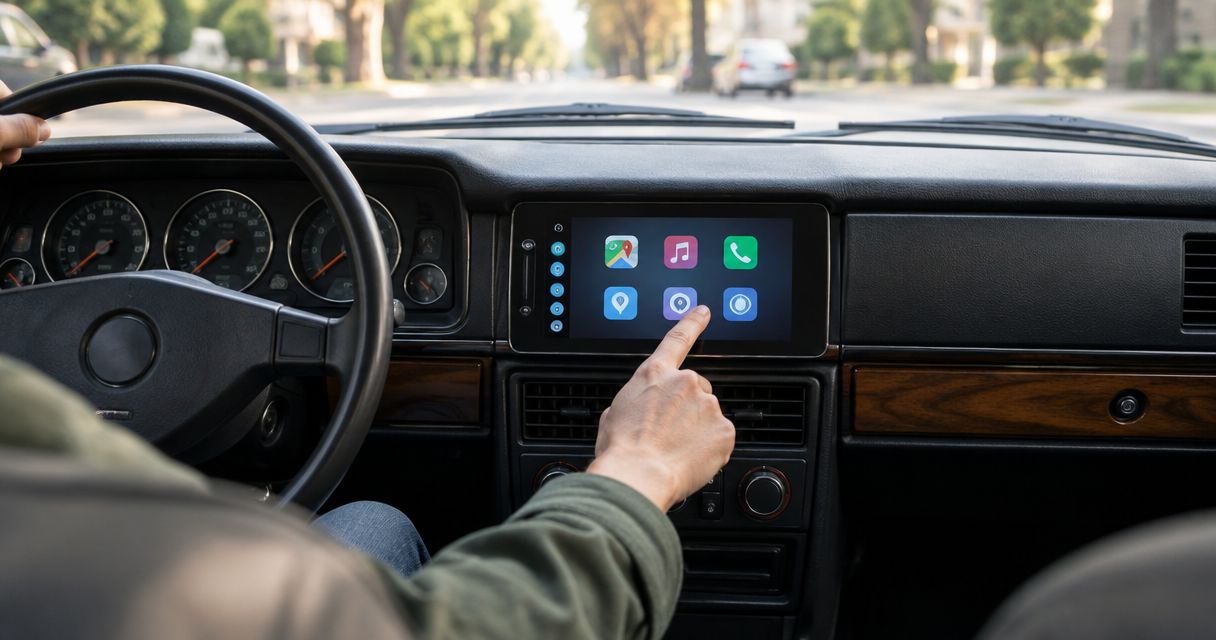
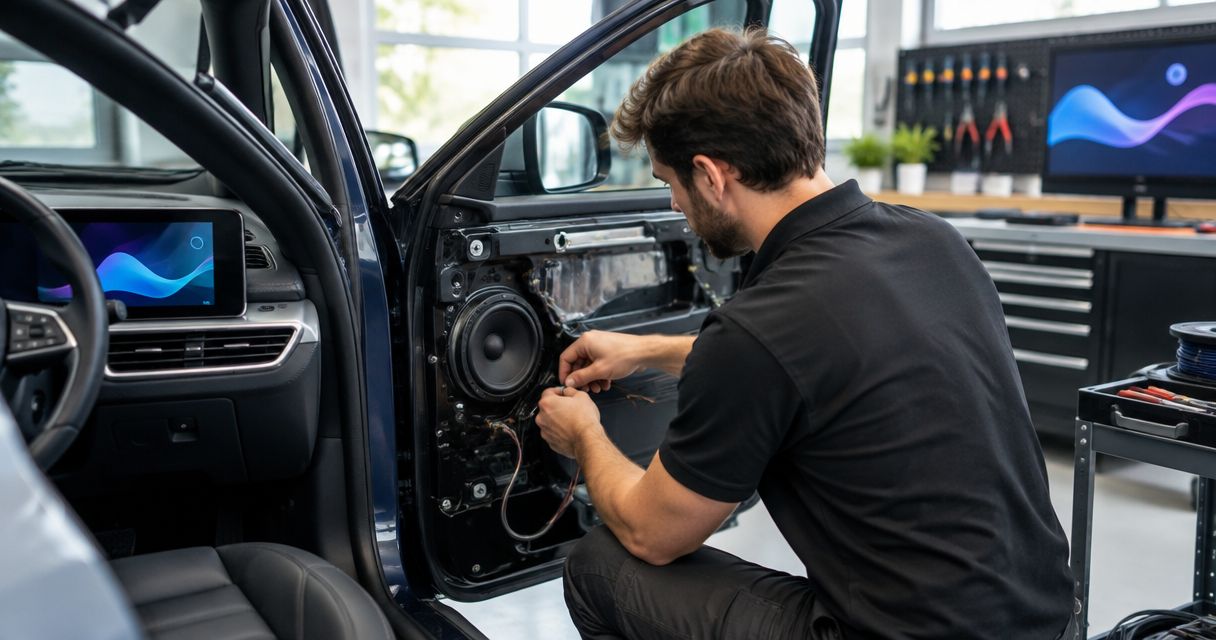
Car audio installation time depends on your vehicle, the equipment being fitted, and how much factory wiring and trim the job involves. A head unit replacement and a full system with speakers, an amp, and a subwoofer are different jobs, so they need different schedules. Ask for a vehicle-specific pickup time that includes installation, setup, and testing—not just the time spent fitting parts.
- How long does car audio installation take? Get a vehicle-specific estimate covering fitting, wiring, setup, and testing.
- Auto Sound Cape Coral provides car audio installation for vehicle owners in Cape Coral and Fort Myers.
- Head unit replacements, speaker upgrades, and amplifier installations involve different work; do not treat them as identical appointments.
- Confirm both the installation scope and the pickup window before arranging your day.
How long does car audio installation take?
The useful answer is the time needed to complete your particular installation, including any factory-feature integration and final checks. For a 2026 booking, give the installer your vehicle details and the exact equipment involved before asking whether you can wait or need to leave the car.
Auto Sound Cape Coral provides local car audio installation. When discussing the job, separate the work you want from the features you need to keep: replacing a radio does not automatically describe what happens to steering-wheel controls, the factory amp, or a backup camera.
| Installation scope | Best for | What the work involves | Main limitation to discuss |
|---|---|---|---|
| Head unit replacement | Changing the radio interface or adding supported features | Dash access, mounting, wiring, and feature checks | Factory controls and displays need compatibility checks |
| Speaker replacement | Changing the speakers while retaining the existing source | Panel access, mounting, connections, and listening checks | New speakers do not resolve every source or amplifier problem |
| Amplifier and subwoofer installation | Adding bass output and dedicated amplification | Power wiring, signal connection, mounting, and adjustment | Equipment and cable routing need suitable space |
| Full system installation | Coordinating the source, speakers, and amplification | Several installation tasks plus system setup | More components create more connections and checks |
These are descriptions of work, not promised turnaround categories. The actual vehicle can change the job substantially. An accessible radio with compatible connections presents a different task from a factory system that combines audio, vehicle settings, and other controls.
Why this matters
Your appointment time is not necessarily your pickup time. The car can be at the shop while it waits for its scheduled work, while installation takes place, and while the finished system is checked.
For your 2026 appointment, ask whether the quoted window means hands-on work or total time without the vehicle. That distinction matters if you need the car for work, school pickup, or a trip between Cape Coral and Fort Myers.
Head unit replacement: confirm the features you want to keep
A head unit replacement involves more than placing a new screen in the dash. The installer needs to mount the unit securely, connect it correctly, and check the functions included in the agreed scope.
Start with your existing setup. Tell the shop whether the car has steering-wheel audio controls, a factory amplifier, a backup camera, or vehicle settings accessed through the original screen. Identify the features you actually use.
The advantage of a head unit upgrade is a change at the system's main control point. The limitation is compatibility: a new radio does not automatically preserve every original function. Confirm retained features before agreeing to the installation schedule.
Bring the exact head unit model if you already own it. A photo of the box is less useful than the model information and the supplied wiring accessories. The installer needs to establish what fits and what additional integration the job requires.
Speaker replacement: access matters as much as speaker count
Speaker installation includes getting to the mounting locations, securing the replacements, making the connections, and checking the sound after reassembly. Door speakers and dash speakers involve different access points.
Tell the installer which locations you want changed. Also describe any existing problem: a rattle, missing sound, distortion, or a speaker that cuts out. Those symptoms deserve attention before the job is treated as a straightforward replacement.
The advantage of a speaker upgrade is that you can target specific locations without necessarily replacing the head unit. The limitation is that speakers are only part of the system. A wiring fault or an amplifier problem still needs diagnosis.
Do not assume a speaker swap includes troubleshooting every existing audio fault. Ask whether diagnosis and any repair are part of the appointment, especially when your goal is to fix a problem rather than change working equipment.
Amplifier and subwoofer installation: plan wiring and space
An amplifier installation requires suitable power wiring, grounding, signal connections, and secure mounting. A subwoofer also needs an appropriate enclosure or mounting arrangement and a connection to the rest of the audio system.
Discuss where the equipment will sit before installation begins. Explain whether you need trunk access, folding seats, or room for work equipment. A location that looks convenient during installation still has to work when you use the vehicle.
The benefit is dedicated amplification and bass output. The trade-off is the space and wiring involved. Choose the equipment location around how you use the car, not just where the equipment fits.
Tell the installer whether you are keeping the factory radio. That decision affects how the new equipment receives an audio signal and what integration needs checking. For a 2026 upgrade, include those decisions in the original scope rather than adding them at drop-off.
Full system installation: agree on the finished result
A full system combines tasks that would otherwise be separate jobs. The source, speakers, amplifier, subwoofer, and wiring need to work together, and the finished system needs adjustment and testing.
Define the result in plain language. You might want clearer speech, stronger bass, phone integration, or a system that keeps the factory appearance. Those goals help the installer identify which tasks belong in the job.
The advantage is that the components can be planned together. The limitation is a broader installation scope with more mounting, wiring, and setup decisions. Changing a component after work starts can also change the agreed plan.
Settle the equipment list and retained factory features before scheduling the car. If you are combining audio work with another electronics installation, ask for a schedule covering the whole visit, not just the audio portion.
Why car audio installation time varies
The vehicle and the agreed work determine the installation schedule. These are the details to discuss when you request an estimate:
- Dash and panel access: The installer needs access to the radio, speakers, mounting points, and cable routes without damaging surrounding trim.
- Factory integration: Steering-wheel controls, factory amplification, cameras, and screen-based settings require compatibility and function checks.
- Wiring scope: Connecting a replacement head unit is different from routing power and signal wiring for added amplification.
- Mounting requirements: Equipment needs secure mounting, suitable clearance, and access that makes sense for normal vehicle use.
- Existing faults: Intermittent sound, damaged wiring, and previous modifications need diagnosis rather than assumptions.
- Setup and testing: The finished system needs checks for sound, retained functions, and the settings included in the installation.
A short equipment list is useful, but it is not a complete description of the work. Include the condition of the current system and the functions you expect to retain. That gives the installer a clearer basis for discussing completion.
How to get an installation estimate you can plan around
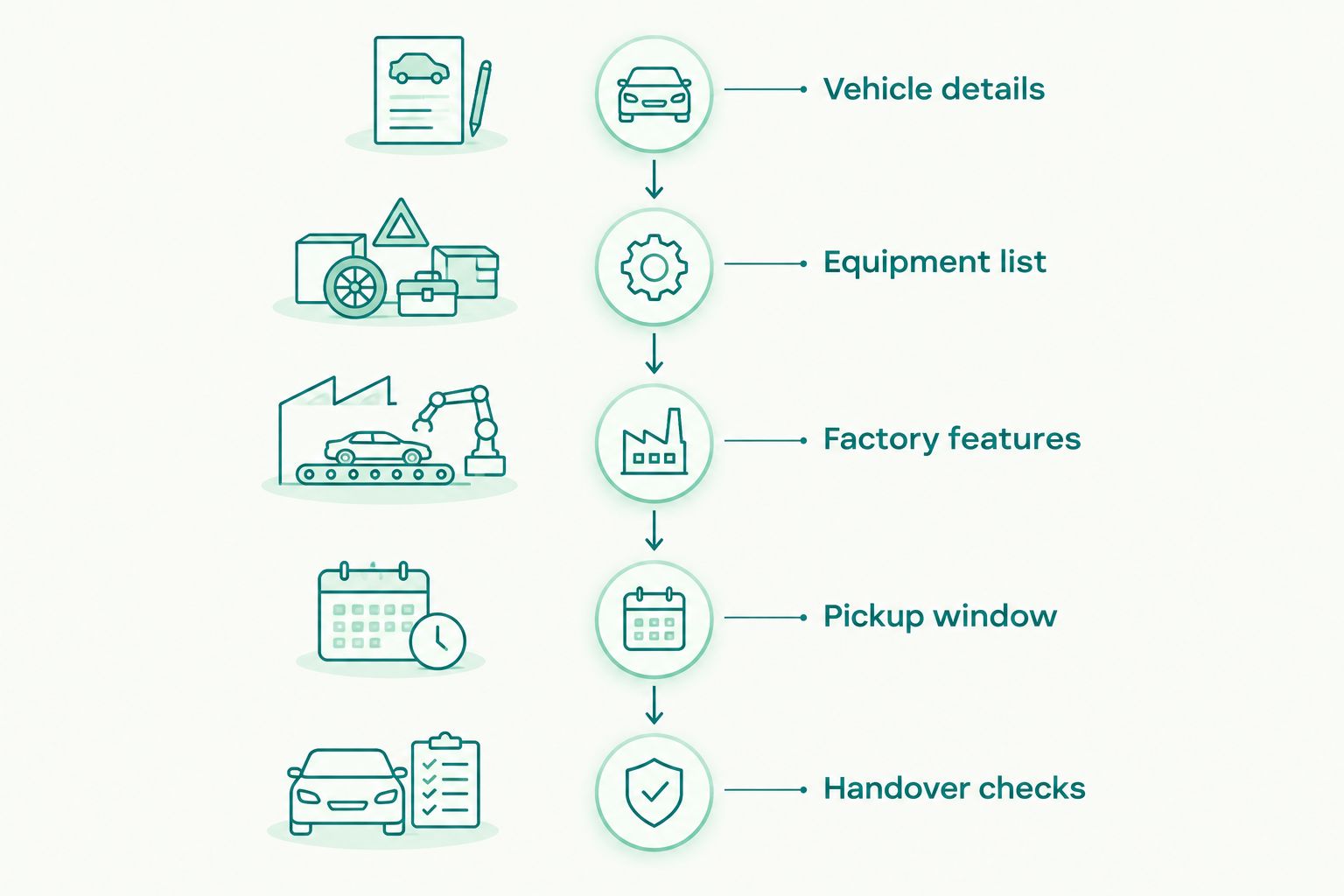
Use this sequence before booking your 2026 installation. It keeps the conversation focused on the vehicle and the finished job instead of a generic turnaround claim.
- Vehicle details: Provide the make, model, model year, and trim. Include information about the factory audio package when you have it.
- Equipment list: Name the components being installed. If you own the equipment, provide exact model information and describe the accessories you have.
- Factory features: List the controls, camera functions, and other original features you want to retain. Ask what the proposed setup supports.
- Pickup window: Confirm whether the estimate covers total time at the shop, including setup and testing. Explain any firm transportation deadline.
- Handover checks: Ask what will be demonstrated when you collect the car. Include the functions that matter to your everyday use.
The order matters: the pickup discussion belongs after the installer understands the scope. A deadline alone does not establish how much work the car needs.
What should you tell the shop before drop-off?
Describe the current system honestly, including previous aftermarket work. Mention loose connections, intermittent problems, warning messages, or controls that already do not work. An existing fault should not be confused with a new installation issue.
If you are bringing your own equipment, tell the shop before the appointment. Confirm what is included and what the installer needs to inspect. Do not assume that owning the main component means you have every mounting or wiring item required.
Also explain practical restrictions. You might need the cargo area kept usable or a removable bass enclosure. Those are installation decisions, not details to save for collection.
Auto Sound Cape Coral is a local car audio installation option for vehicle owners in Cape Coral, Fort Myers, and surrounding Southwest Florida communities. Discuss the actual vehicle and equipment with the shop rather than planning around a generic internet estimate.
Discuss your car audio installation
Bring your vehicle details, equipment list, and the factory features you want to keep.
Can I wait while my car audio system is installed?
Wait only after the shop confirms that arrangement for your specific job. A head unit, speaker, or amplifier appointment still needs a schedule based on the vehicle, equipment, and work involved.
Ask when work is expected to start and when the completed car is expected to be ready. If you have a fixed deadline, state it before booking. Arrange transportation around the confirmed pickup window, not the drop-off time.
Does tuning count as installation time?
Include setup and testing in the completion discussion. Fitting the equipment does not by itself establish that the system is adjusted correctly or that the agreed functions work.
Ask which adjustments and checks are included in your 2026 installation. The answer should describe the work being completed, not simply say that the equipment powers on.
Will keeping my factory radio save installation time?
Keeping the factory radio changes the installation scope, but it does not automatically make an amplifier or speaker upgrade simpler. The installer still needs to check signal connections, compatibility, mounting, and wiring.
Choose between keeping and replacing the radio based on the functions you need. Then ask for a schedule covering that specific setup. Avoid choosing the system around an assumed shortcut.
FAQ
How long does car audio installation take in 2026?
Car audio installation time depends on the vehicle, equipment, wiring, and factory integration involved. Request a vehicle-specific pickup window that includes fitting, setup, and testing.
Can I get my car stereo installed while I wait?
Wait only if the shop confirms that arrangement for your vehicle and installation scope. Confirm the expected start and pickup times before planning your day.
Does a new head unit keep my steering-wheel controls?
A new head unit does not automatically retain steering-wheel controls. Ask the installer to confirm compatibility and the integration required for your vehicle.
Does installing a subwoofer take longer than replacing a radio?
A subwoofer installation and a radio replacement involve different work, so neither provides a reliable timing estimate for the other. Amplifier wiring, equipment mounting, and factory integration determine the actual scope.
Can I bring my own speakers or amplifier for installation?
Confirm customer-supplied equipment arrangements with the shop before booking. Provide exact model information and details of the mounting and wiring accessories you have.
What should I check when I collect my car?
Check the audio and every retained function included in the agreed installation. Ask for a demonstration of relevant controls, phone connections, camera operation, and system adjustments.
Does Auto Sound Cape Coral install car audio locally?
Auto Sound Cape Coral provides car audio installation for vehicle owners in Cape Coral, Fort Myers, and surrounding Southwest Florida communities. Discuss your vehicle, equipment, and installation scope before arranging your visit.
One last thing
Before drop-off, show the installer how the current system behaves. Demonstrate the steering-wheel controls, camera, phone connection, and any existing fault rather than relying on memory at pickup.
For your 2026 installation, agree on what a finished job includes before the car enters the shop. A clear handover checklist makes the completion discussion more useful than a promised finish time without a defined scope.