

Best overall: a factory-integrated system with a DSP amplifier, matched speakers, and a subwoofer. Best for cargo space: a compact powered-subwoofer setup; best for bass control: a dedicated subwoofer system; best for phone features: a replacement-head-unit system; best for a staged upgrade: front speakers first. This 2026 guide matches each car audio system for SUV owners to a specific listening goal.
- The best car audio system for SUV owners balances factory integration, clear front speakers, controlled bass, and cargo space.
- Choose a DSP-based system for sound adjustment; choose a compact powered subwoofer when storage space matters most.
- Auto Sound Cape Coral provides car audio installation for SUV owners in Cape Coral, Fort Myers, and surrounding communities.
- Confirm factory-amplifier compatibility before buying speakers, a head unit, or a subwoofer.
Why this matters
An SUV audio upgrade has to work around more than speaker openings. Factory amplifiers, warning chimes, steering-wheel controls, folding seats, and cargo access all affect the installation plan.
Auto Sound Cape Coral is a local car audio installation option for SUV owners in Cape Coral and Fort Myers. Start with your vehicle details and the problem you want fixed, not a shopping cart of unrelated parts. You can find the shop at Auto Sound Cape Coral.
For a 2026 upgrade, separate the complaint into clarity, bass, or phone features. A new touchscreen does not automatically fix weak bass, and a subwoofer does not repair distorted door speakers.
What makes the best car audio system for an SUV?
Judge the complete installation against these criteria before choosing equipment:
- Factory integration: Identify the radio, amplifier, signal processing, cameras, and controls that must remain functional.
- Front-seat clarity: Prioritize understandable vocals and a stable front soundstage rather than adding speakers everywhere.
- Bass control: Match the subwoofer, enclosure, amplifier, and crossover settings instead of judging by cone size alone.
- Usable cargo space: Preserve the seat travel, folding mechanisms, spare-tire access, and storage areas you actually use.
- Electrical fit: Match amplifier requirements to the vehicle, with correctly specified wiring, protection, and mounting.
- Adjustment access: Leave a practical way to adjust the system after installation without rebuilding it.
Best SUV audio setups at a glance
These are system layouts, not named retail packages. Equipment selection depends on the SUV's exact year, trim, factory audio, and available mounting space.
| Rank and setup | Best for | Standout feature | Key limitation |
|---|---|---|---|
| 1. Factory-integrated DSP system | Overall sound balance | Adjustable crossover, equalization, and timing | Requires integration checks and tuning |
| 2. Compact powered-subwoofer setup | Keeping cargo space usable | Amplifier and subwoofer combined in one enclosure | Limited placement and output compared with larger systems |
| 3. Dedicated subwoofer system | Bass-focused listening | Separate enclosure and amplifier selection | Takes space and needs secure mounting |
| 4. Replacement-head-unit system | Phone features and dashboard controls | Changes the source and user interface | Factory features need compatibility checks |
| 5. Front-speaker-first upgrade | A limited-scope starting point | Targets the listening position directly | Factory power and processing remain constraints |
1. Factory-integrated DSP system: best for balanced SUV sound
A factory-integrated DSP system keeps the original radio while adding signal processing and amplification suited to the vehicle. DSP means digital signal processing; it provides tools for equalization, crossover adjustment, and time alignment. Add matched front speakers and a subwoofer to address clarity and low-frequency output together.
A 5-channel amplifier can provide 4 speaker channels and 1 subwoofer channel when its specifications suit the speakers and subwoofer. Channel count describes the layout, not sound quality. Check continuous output ratings, supported impedance, signal inputs, and installation requirements; the car amplifier comparison guide explains the equipment category.
Factory-integrated DSP system pros:
- Keeps the factory dashboard interface when compatible integration is used.
- Allows separate adjustment of speaker and subwoofer frequency ranges.
- Addresses front-stage clarity and bass as one system.
Factory-integrated DSP system cons:
- Requires a usable signal from the factory audio system.
- Needs tuning; installing a DSP does not automatically produce good settings.
- Adds equipment, wiring, and mounting requirements.
Best for: You like the factory screen but want a coordinated sound upgrade rather than isolated part swaps.
Ask the installer how factory equalization, volume-dependent processing, and any active noise cancellation will be handled. Those checks belong before equipment selection, not after a new subwoofer produces unwanted noise.
Verdict: Buy this layout for the strongest all-round starting point, after vehicle compatibility is confirmed.
2. Compact powered-subwoofer setup: best for preserving cargo space
A powered subwoofer combines a subwoofer and amplifier in one enclosure. It adds low-frequency output while leaving the factory radio and door speakers in place. This is a focused upgrade when you like the existing system except for its thin bass.
Placement drives the decision. An enclosure described as compact still needs measured clearance, ventilation, protected wiring, and room around moving seats. Check the installation with every seating position you use.
Compact powered-subwoofer setup pros:
- Combines amplification and bass reproduction in one unit.
- Offers a smaller installation footprint than many separate enclosure layouts.
- Leaves the dashboard and existing speaker layout unchanged.
Compact powered-subwoofer setup cons:
- Small enclosures have output limits.
- Under-seat fit is vehicle-specific, not guaranteed.
- Does not fix harsh tweeters, rattling doors, or distorted factory speakers.
Best for: You regularly carry luggage, tools, a stroller, or folded-seat loads and want added bass without planning around a large box.
For your 2026 installation, measure space with the seats both occupied and folded. Do not approve a location that blocks a seat track, ventilation duct, or service access.
Verdict: Buy for restrained bass and space preservation; skip if high bass output is your main goal.
3. Dedicated subwoofer system: best for bass-focused listening
A dedicated subwoofer system uses a separate enclosure and amplifier. That separation lets you choose the enclosure design, placement, and amplifier around the listening goal rather than accepting a single combined package.
A sealed enclosure is closed, while a ported enclosure uses a tuned vent. Neither design wins in every SUV. Follow the subwoofer manufacturer's enclosure requirements and judge the complete design, not the label alone.
Dedicated subwoofer system pros:
- Allows separate selection of the amplifier, subwoofer, and enclosure.
- Provides more enclosure and placement choices than a compact all-in-one layout.
- Allows bass adjustment without replacing the dashboard radio.
Dedicated subwoofer system cons:
- Uses cargo space and requires secure mounting.
- Adds electrical and signal-integration work.
- Can overpower the front speakers if levels are poorly matched.
Best for: Bass is your main complaint, and you accept a defined amount of cargo-space loss.
Request an enclosure layout that preserves the rear-seat positions and cargo access you need. The plan should also explain how the enclosure is secured; a loose box is not an acceptable installation.
At Auto Sound Cape Coral, describe your car audio goal as usable bass at your normal listening level. That gives the discussion more direction than asking for the biggest subwoofer that fits.
Verdict: Buy for bass priority; hold until enclosure placement and mounting are settled.
4. Replacement-head-unit system: best for phone features
A replacement-head-unit system changes the radio and dashboard interface. It suits an SUV whose main problem is outdated phone connectivity, awkward controls, or a failing source unit. Speaker and amplifier upgrades remain separate decisions.
For a 2026 head-unit purchase, verify the exact features you need: phone connection, microphone placement, camera display, and retained vehicle controls. A screen that physically fits the opening is not proof of complete compatibility.
Replacement-head-unit system pros:
- Changes the interface you use every drive.
- Can add supported smartphone features to a compatible vehicle.
- Provides an opportunity to plan source outputs for later audio upgrades.
Replacement-head-unit system cons:
- Requires vehicle-specific fit and integration checks.
- Factory cameras, amplifiers, and settings need individual verification.
- Does not automatically improve every speaker or add deep bass.
Best for: Your daily frustration is the radio's operation rather than the basic sound balance.
Make a retained-features list before approving the installation. Include steering-wheel buttons, warning sounds, camera views, and vehicle settings accessed through the original screen.
Verdict: Buy for a better interface; skip a radio replacement if the factory screen already meets your needs.
5. Front-speaker-first upgrade: best for starting small
A front-speaker-first upgrade replaces the speakers closest to the main listening position while retaining the existing source and, where appropriate, factory amplification. It is a narrower project than replacing every speaker in the SUV.
Component speakers use separate drivers, commonly a woofer and tweeter; coaxial speakers combine drivers in one assembly. Choose according to mounting locations, crossover requirements, and the available signal—not the assumption that one format always wins.
Front-speaker-first upgrade pros:
- Focuses work on the front listening position.
- Keeps the dashboard and cargo area unchanged.
- Creates a defined first stage for a later system plan.
Front-speaker-first upgrade cons:
- Replacement speakers must match the electrical requirements of the system.
- Factory processing and limited amplifier output remain in place.
- New door speakers are not a substitute for a subwoofer.
Best for: You want to address damaged speakers or front-seat sound before deciding on a larger installation.
Inspect speaker mounts, door seals, and panel rattles at the same time. A loose panel can remain noisy after an expensive speaker replacement, and some replacement speakers need more suitable amplification to meet your goal.
Verdict: Buy as a planned first stage; hold if the real problem is the factory amplifier or missing bass.
Match the upgrade to the actual complaint
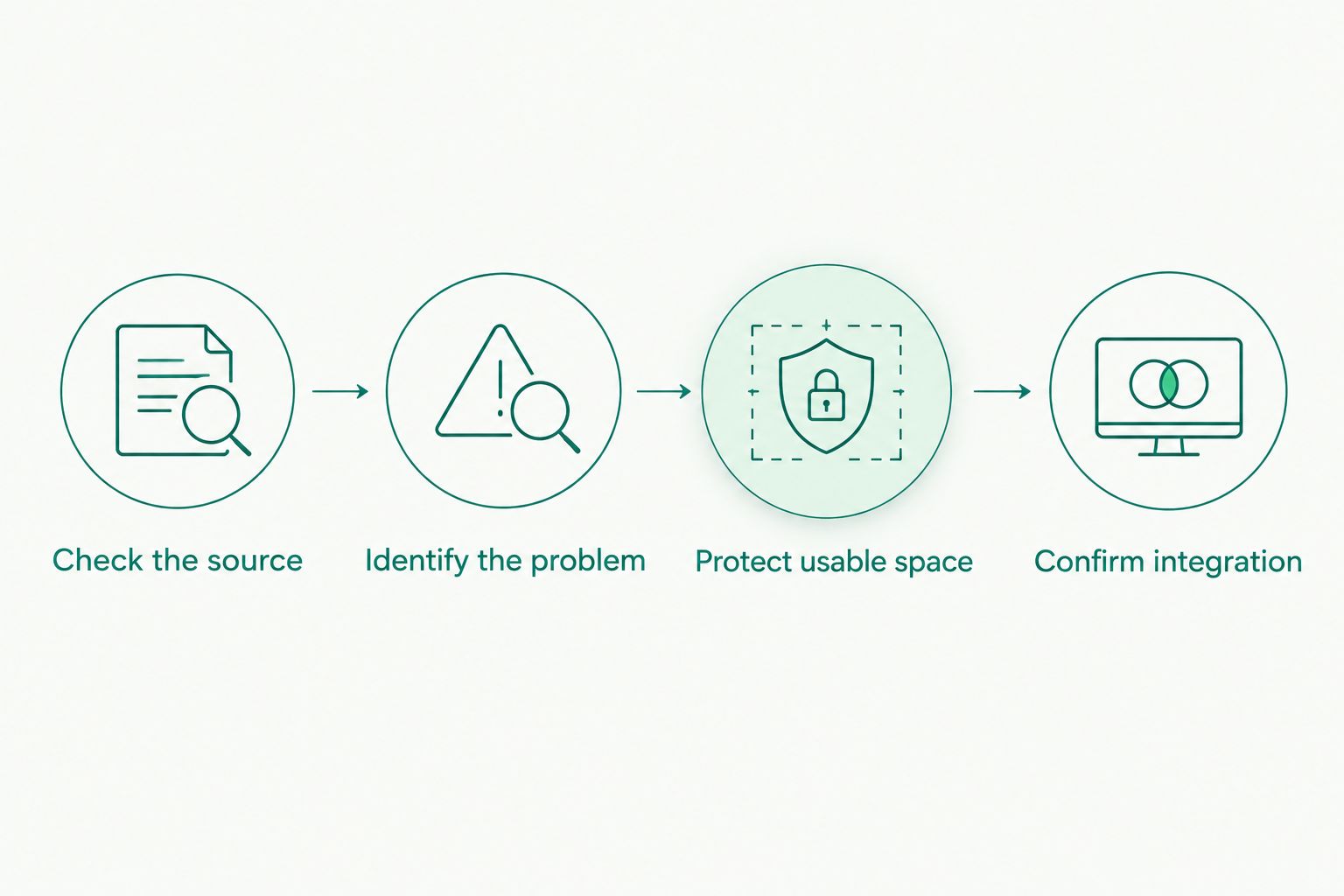
Use this sequence before requesting equipment recommendations. Each step rules out a different kind of unnecessary work.
- Check the source: Compare familiar audio through the sources you use. A problem limited to one phone connection needs a different diagnosis from distortion on every source.
- Identify the problem: Separate missing bass, harsh vocals, rattles, low output, and poor controls. Write down when each problem occurs.
- Protect usable space: Show the installer your seat positions and normal cargo arrangement. Confirm access before choosing an enclosure.
- Confirm integration: Identify the factory amplifier and retained features, then select the signal path and equipment.
Bring your exact vehicle year, make, model, trim, and factory-audio information to Auto Sound Cape Coral. Photos of the dashboard and cargo area help explain the job, but the vehicle still needs fit and integration checks.
Plan your SUV audio upgrade
Start with your vehicle details, listening goal, and the cargo space you need to keep.
How these SUV audio setups are ranked
This 2026 ranking puts complete-system balance first, then separates the alternatives by their main job: saving space, adding bass, changing the interface, or limiting the initial scope. It compares installation layouts rather than claiming a universal equipment winner.
Factory compatibility is the deciding condition throughout. A well-matched modest system is a better choice than equipment selected without checking the signal path, mounting, and retained features.
Which car audio system for an SUV should you choose?
Choose the factory-integrated DSP layout if you want clearer front speakers and controlled bass while keeping the original dashboard. It is the default recommendation because it addresses the system together.
Choose the narrower options only when the complaint is narrow. Keep cargo space with a compact powered subwoofer, prioritize bass with a dedicated enclosure, replace the head unit for interface problems, or start with front speakers when that is the identified weak point.
FAQ
What's the best car audio system for an SUV in 2026?
A factory-integrated DSP system with matched speakers and a subwoofer is the best overall starting layout for balanced sound. Confirm the SUV's factory signal, amplifier, and retained features before choosing equipment.
Can I keep my SUV's factory radio and improve the sound?
Yes, a compatible integration setup lets you keep the factory radio while adding amplification, speakers, or a subwoofer. The correct approach depends on the factory amplifier and audio signal.
Is a powered subwoofer enough for an SUV?
A powered subwoofer is enough when your main goal is added bass within that unit's output limits. It does not correct distorted door speakers or an unsatisfactory dashboard interface.
Should I replace the speakers or add an amplifier first?
Choose the first step after identifying the weak point. Damaged speakers need attention, while limited output or factory processing requires a different plan; match any replacement speakers to the intended amplifier.
Will a new head unit keep my steering-wheel controls and camera?
Retention depends on the vehicle, head unit, and integration hardware. Confirm each control, camera function, warning sound, and screen-based vehicle setting before installation.
Do I need to replace every speaker in my SUV?
No, replacing every speaker is not a requirement for an audio upgrade. Front-speaker clarity and controlled bass can be addressed without automatically changing every rear speaker.
Where can I discuss SUV car audio installation near Cape Coral?
Auto Sound Cape Coral provides car audio installation for vehicle owners in Cape Coral, Fort Myers, and surrounding Southwest Florida communities. Bring your vehicle details and describe the sound problem and cargo-space limits.
One last thing
Before handing over the SUV, remove loose cargo and replay the track that exposes the problem. A rattling jack, cargo cover, or trim panel needs a different fix from a damaged speaker. Demonstrate the noise so the installation starts with the right diagnosis.