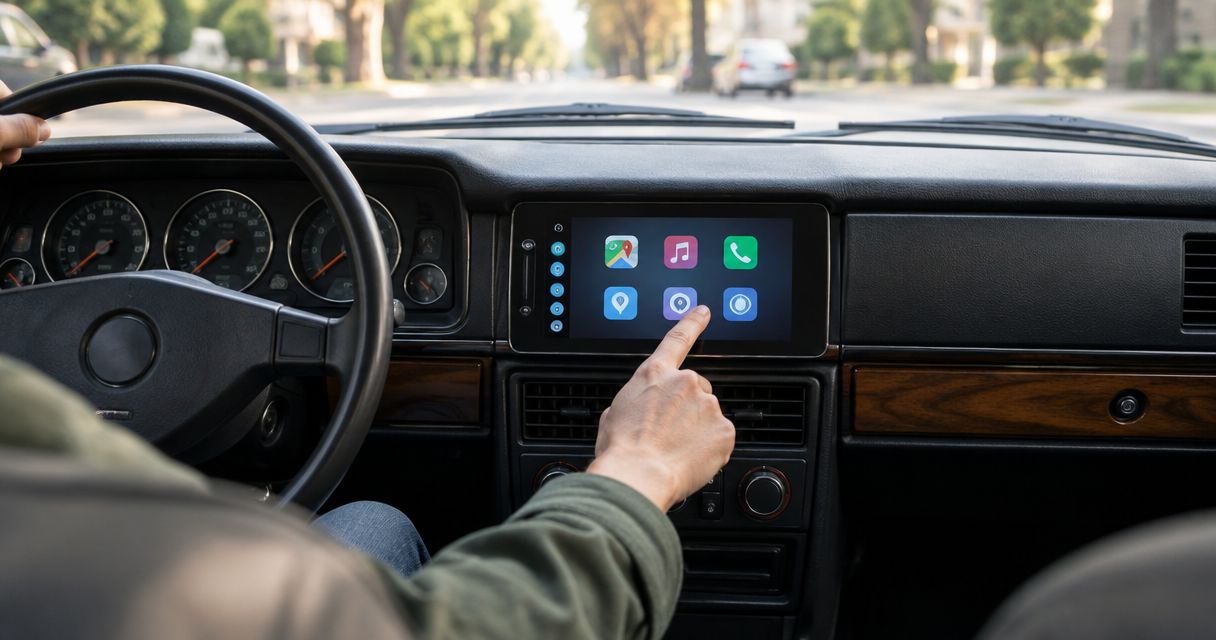

Best overall: a marine receiver, speakers, and a matched amplifier. Best for a simple setup: a powered soundbar. Best for bass: marine speakers with an amplifier and subwoofer. This 2026 golf cart sound system guide ranks system layouts by installation needs, controls, weather exposure, and listening priorities—not unsupported product specifications.
- A marine receiver, speakers, and matched amplifier is the best golf cart sound system layout for separate controls and expansion.
- A powered soundbar suits owners who want Bluetooth audio without a separate head unit.
- Confirm the cart’s electrical supply before connecting any 12-volt audio equipment.
- Auto Sound Cape Coral provides car audio and marine stereo installation for Southwest Florida vehicle owners.
Why this matters
A golf cart leaves speakers, wiring, and controls more exposed than a closed car. A good system needs secure mounts, suitable environmental protection, and a power supply that matches the equipment. More speakers do not fix poor placement or an undersized supply.
Auto Sound Cape Coral provides car audio and marine stereo installation in Cape Coral, Fort Myers, and surrounding Southwest Florida communities. Before requesting advice about a cart, send its model, battery configuration, and photos; confirm golf cart installation scope before bringing it in.
What makes the best golf cart sound system?
Use these criteria to compare a golf cart sound system in 2026:
- Correct power supply: Confirm the equipment’s input-voltage range and the cart’s approved accessory connection. A 12-volt audio system cannot connect directly to a 48-volt traction pack.
- Weather suitability: Check the stated protection for every exposed component, including connectors and controls. A marine label does not make every installation waterproof.
- Secure fit: Mounts must clear passengers, roof supports, folding windshields, and moving parts without blocking visibility.
- Usable controls: Choose between phone-only playback and a dedicated receiver before cutting a dashboard opening.
- Clean output: Match speakers and amplifier channels by impedance and continuous-power ratings, not headline peak watts.
- Service access: Keep fuses, wiring connections, and adjustments accessible without dismantling the cart.
Golf cart sound systems at a glance: 2026 picks
These are system configurations, not model-specific endorsements. Each layout solves a different installation problem.
| Rank and layout | Best for | Standout feature | Key limitation |
|---|---|---|---|
| 1. Marine receiver, speakers, and amplifier | A complete, expandable installation | Separate controls and component selection | Requires space and more wiring |
| 2. Powered soundbar | Simple Bluetooth playback | Speakers and amplification in one assembly | Mounting position limits speaker placement |
| 3. Amplified speaker pods with Bluetooth controller | Carts without a suitable dashboard opening | Separate speaker placement without a full receiver | Clamps and wiring remain visible |
| 4. Marine receiver and speakers | Moderate-volume listening without a separate amplifier | Dedicated controls with fewer components | Output depends on the receiver’s built-in amplifier |
| 5. Amplified speakers and subwoofer | Listeners who prioritize bass | Dedicated low-frequency reproduction | Requires enclosure space and additional electrical capacity |
1. Marine receiver system: best for a complete installation
A marine receiver feeds speakers through a separate amplifier. You choose each component around the cart’s seating layout, exposure, and mounting space rather than accepting a fixed speaker arrangement.
This is the default recommendation when you want physical controls and room to change individual components later. It also creates more installation work: the receiver, amplifier, and speakers each need a suitable location.
Marine receiver system pros:
- Dedicated volume and track controls reduce dependence on your phone.
- Separate speakers allow placement around the seating area.
- Individual components can be replaced without replacing the entire system.
Marine receiver system cons:
- More components mean more mounting points and connections.
- A dashboard opening or suitable receiver mount is required.
- Amplifier placement must account for ventilation and environmental exposure.
Best for: Owners planning a permanent installation with separate controls and expansion options.
Verdict: Buy this layout for a complete system, after confirming mounting space and power capacity.
2. Powered soundbar: best for simple Bluetooth playback
A powered soundbar combines speakers and amplification in one assembly. Choose a model with Bluetooth if your phone will provide the music, and verify the control arrangement before ordering.
The important measurement is not just the bar’s width. Check clamp compatibility, passenger head clearance, windshield movement, and the route from the power supply to the mounting location.
Powered soundbar pros:
- Combines several audio components into one housing.
- Avoids a separate dashboard receiver when Bluetooth is built in.
- Keeps the system layout easy to understand and service.
Powered soundbar cons:
- Speaker positions are fixed within the housing.
- An overhead mount can interfere with clearance or accessories.
- Adding separate components depends on the soundbar’s actual connections.
Best for: Owners who want phone-based music without building a component system.
Verdict: Buy for simplicity; skip any soundbar whose mounting hardware or dimensions do not fit your cart.
3. Amplified speaker pods: best when dashboard space is limited
Speaker pods mount in their own enclosures rather than requiring speaker openings in body panels. Pair suitable pods with an amplifier and a Bluetooth controller when you do not want a full-size head unit.
Position matters. Aim the speakers toward the listening area, then check that brackets, cables, and housings do not obstruct entry, grab points, or moving accessories.
Amplified speaker pod pros:
- Separate enclosures offer more placement choices than a single soundbar.
- A compact controller avoids a full receiver opening.
- Speaker direction can be planned around passenger seating.
Amplified speaker pod cons:
- Exposed brackets and cable runs need careful routing.
- Mounting depends on compatible hardware and structural support.
- The amplifier and controller still need protected locations.
Best for: Carts with limited dashboard space but suitable mounting points for separate speakers.
Verdict: Buy when speaker placement matters more than hiding every component.
4. Receiver-powered speakers: best for moderate-volume listening
A marine receiver can power compatible speakers directly when its built-in amplifier meets the installation’s needs. This removes the separate amplifier, but it does not remove the need for proper wiring, fusing, or suitable speaker locations.
Choose this layout for background music rather than assuming it will overcome every combination of wind and road noise. Check the receiver’s supported speaker load before connecting anything.
Receiver-powered speaker pros:
- Fewer separate components to mount.
- Physical controls remain available at the receiver.
- No external amplifier needs its own installation location.
Receiver-powered speaker cons:
- Output is limited by the receiver’s built-in amplification.
- Higher listening demands can require a later amplifier upgrade.
- A receiver opening and speaker mounting locations are still necessary.
Best for: Owners who want dedicated controls and moderate listening levels without a separate amplifier.
Verdict: Buy for straightforward listening; skip if strong bass or high output is your main goal.
5. Speakers and subwoofer: best for bass-focused listening
A subwoofer handles low frequencies while the main speakers handle the rest of the music. The system needs compatible amplification, crossover settings, and an enclosure suited to the subwoofer and mounting environment.
An open cart does not provide the same acoustic environment as a closed vehicle. Plan the enclosure and electrical supply before choosing the subwoofer—not after the other equipment is installed.
Speakers and subwoofer pros:
- Provides a dedicated driver for low-frequency sound.
- Allows separate adjustment of bass and main-speaker levels.
- Crossovers can reduce low-frequency demands on the main speakers.
Speakers and subwoofer cons:
- The enclosure takes space from storage or passenger areas.
- Added amplification increases electrical demand.
- Enclosure mounting and protection add installation work.
Best for: Owners who prioritize bass and accept the space and wiring requirements.
Verdict: Buy only after approving the enclosure location and power plan.
Plan the electrical system before buying equipment
A 12-volt accessory system and an electric cart’s traction battery are not interchangeable. Electric carts can use nominal 36-volt or 48-volt packs, among other configurations; identify your actual system rather than guessing from the cart’s appearance.
Where conversion is required, use a compatible DC-to-DC converter sized for the planned loads and installed according to the cart and converter manufacturers’ instructions. Do not tap part of a series battery pack to obtain accessory power; unequal loading can unbalance the batteries.
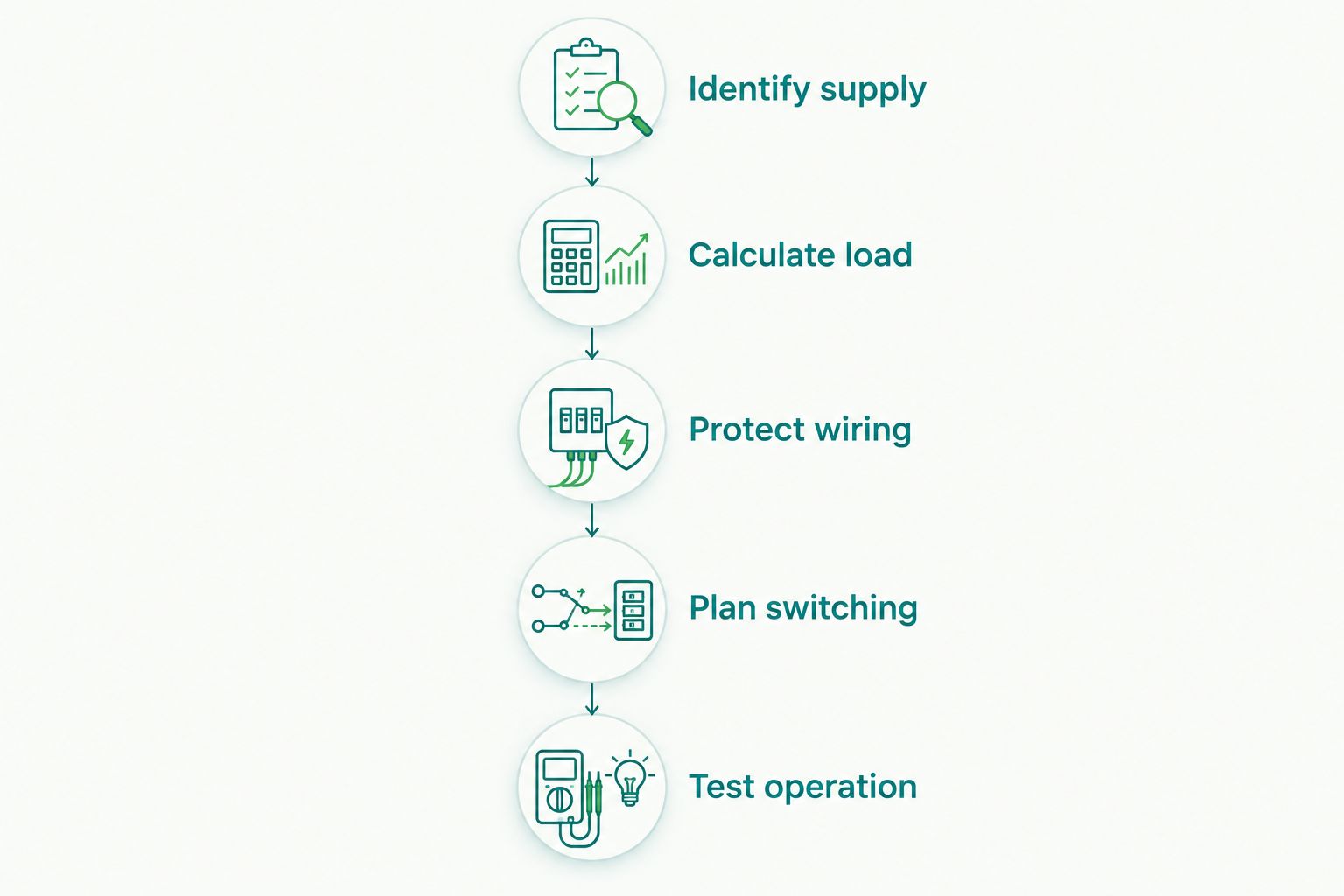
Use this installation sequence:
- Identify supply: Confirm battery chemistry, nominal pack voltage, approved connection points, and manufacturer restrictions.
- Calculate load: Account for the audio equipment and any other accessories sharing the supply.
- Protect wiring: Select cable and circuit protection according to current demand, cable length, and equipment instructions.
- Plan switching: Decide how the system turns off and check whether any components remain powered.
- Test operation: Check playback, charging behavior, shutdown, and interference before closing panels.
For amplifier selection, start with speaker impedance and continuous output rather than peak-power advertising. The car amplifier comparison guide covers the component category; cart-specific power and mounting checks still come first.
What to send with an installation inquiry
For a useful 2026 installation discussion, provide the cart’s make, model, battery information, and photos of the dashboard, roof supports, and available storage. Include any equipment already installed and explain whether you want background music, stronger output, or bass.
Auto Sound Cape Coral offers car audio and marine stereo installation. Confirm whether the shop accepts your cart and proposed equipment; those services alone do not establish compatibility with every golf cart.
Ask what the proposed work includes:
- Receiver, controller, and speaker mounting.
- Converter assessment and accessory-power connections.
- Cable routing, circuit protection, and weather protection.
- System adjustment and an explanation of shutdown behavior.
Auto Sound Cape Coral is best for Cape Coral vehicle owners seeking local car audio or marine stereo installation. For a golf cart sound system, establish the vehicle-specific scope before authorizing work.
How these layouts were ranked
The 2026 ranking prioritizes control access, speaker placement, electrical compatibility, weather suitability, and service access. The complete receiver-and-amplifier layout ranks first because its components can be selected separately; simpler layouts win when avoiding extra components is the priority.
These recommendations compare system architecture. They do not claim measured sound quality, hands-on product testing, or compatibility with an unidentified cart.
Which golf cart sound system should you choose?
Choose a marine receiver, speakers, and matched amplifier if you want a permanent, expandable setup. Choose a powered soundbar if a compatible mounting position exists and phone-based playback meets your needs.
For a 2026 purchase, settle the mounting and power plan before choosing equipment. Add a subwoofer only when its enclosure, electrical demand, and protection fit the cart—not simply because a package includes one.
FAQ
What’s the best golf cart sound system for everyday use?
A marine receiver, speakers, and matched amplifier is the best default layout for dedicated controls and component flexibility. A powered soundbar is the simpler choice when Bluetooth playback and one suitable mounting location meet your needs.
Can I connect a 12-volt stereo directly to a 48-volt golf cart battery?
No. A 12-volt stereo must not connect directly to a 48-volt pack. Use the cart’s approved accessory supply or a compatible converter installed according to manufacturer instructions.
Is a soundbar better than separate speakers on a golf cart?
A soundbar is better for reducing separate components; separate speakers are better for flexible placement. Compare mounting clearance, controls, and connection options before choosing.
Do I need marine speakers for a golf cart?
Exposed golf cart speakers need protection appropriate to their environment. Marine-rated equipment is a useful starting point, but check the manufacturer’s stated limitations for each component and connection.
Will a golf cart stereo drain the battery while parked?
A stereo can discharge its supply if it remains powered while parked. Check switching, standby draw, and shutdown behavior rather than assuming that paused music means the system is off.
Can I add a subwoofer to my golf cart sound system?
Yes, when the electrical supply, amplifier, enclosure, and mounting location support it. Confirm those requirements before selecting a subwoofer.
Does Auto Sound Cape Coral install golf cart audio?
Confirm golf cart installation directly with Auto Sound Cape Coral before booking. The shop’s stated services include car audio and marine stereo installation, but cart-specific service scope needs confirmation.
One last thing
Test the system after shutdown, not just while music is playing. Turn the cart off, disconnect your phone, and verify the intended power state using the equipment instructions. A system that sounds right but stays powered has not passed its final check.